How to Apply for the Cyprus Digital Nomad Visa
Learn the requirements, step-by-step application process, and key benefits of the Cyprus digital nomad visa for remote workers.
 By Nomad Herald · September 25, 2026 · Updated September 27, 2026 · 5 min read · Visa & Residency
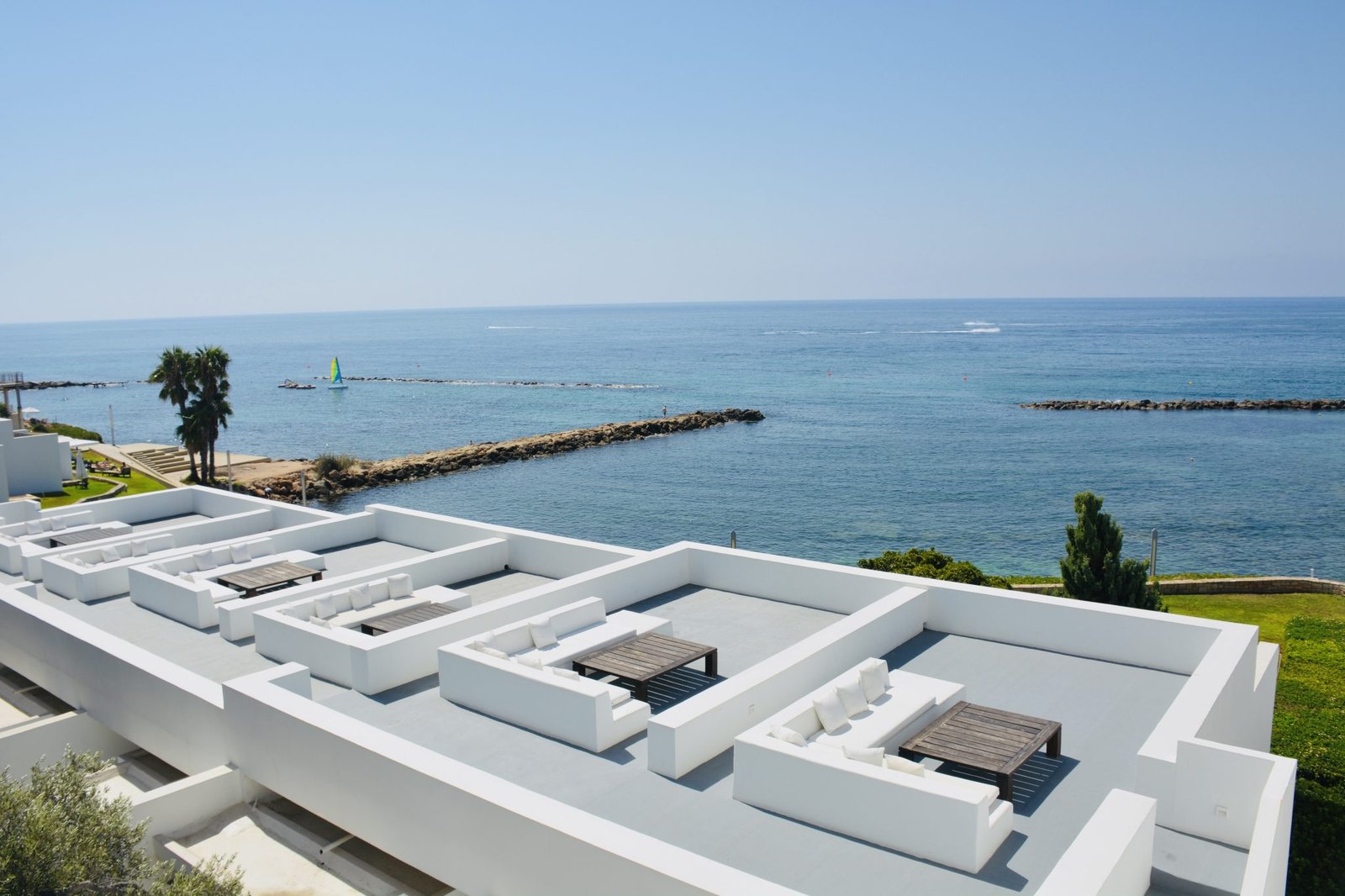
Securing a cyprus digital nomad visa offers remote workers and freelancers a structured pathway to live and work from one of the sunniest islands in the Mediterranean. This residency scheme is tailored specifically for non-European Union citizens who wish to establish a temporary base in a country known for its rich history, warm climate, and favorable tax environment.
While the island has long been a favorite holiday destination, this dedicated immigration pathway transforms it into a viable long-term hub for digital professionals. This guide breaks down everything you need to know about eligibility, the application process, and what to expect when relocating to Cyprus. Please note that this guide is for informational purposes only and does not constitute formal legal or immigration advice.
What is the cyprus digital nomad visa?
The cyprus digital nomad visa is a temporary residence permit that allows non-EU, non-EEA, and non-Swiss nationals to reside in Cyprus while performing remote work for employers or clients registered abroad. This program was introduced to attract international talent and boost the local economy by welcoming individuals who are entirely self-sufficient and financially independent of the local Cypriot labor market.
Under this scheme, successful applicants receive a temporary residence permit which is initially valid for one year. This permit can be renewed for an additional two years, allowing for a total stay of up to three years. While holders of this visa are permitted to reside on the island, they are strictly prohibited from engaging in any form of local employment or providing services to companies registered in Cyprus.
Who is eligible for this remote work visa?
To qualify for the Cyprus digital nomad visa, applicants must meet a specific set of criteria designed to prove their financial stability and remote work status.
- Non-EU Citizenship: The program is exclusively open to third-country nationals who do not hold passport privileges within the European Union or European Economic Area.
- Remote Work Capability: Applicants must prove they can perform their work duties location-independently using telecommunications technology.
- Foreign Income Source: All income must originate from clients, employers, or business entities located outside of Cyprus. This can be demonstrated through employment contracts, business service agreements, or corporate ownership documents.
- Minimum Income Threshold: Official guidance indicates that applicants must demonstrate a stable monthly net income of at least 3500 Euros after taxes. If bringing family members, this threshold increases by 20 percent for a spouse or partner and by 15 percent for each dependent child.
What documents are required for the application?
Gathering the correct documentation is the most critical step in securing your residency permit. All documents must be officially translated into English or Greek and must carry an Apostille or be legalized by the issuing country.
Proof of Employment and Income
You must provide concrete evidence of your remote work setup and your financial capacity. This typically includes a formal employment contract with a company located abroad, or service agreements with foreign clients if you are a freelancer. You must also submit bank statements from the preceding six months showing a consistent monthly deposit that meets the minimum income requirements, along with tax returns or payslips.
Personal and Health Documents
Applicants must submit a valid passport with at least three months of validity remaining after the intended stay. You will also need to provide a clean criminal record certificate from your country of origin, proof of comprehensive medical insurance covering inpatient and outpatient care in Cyprus, and a signed rental agreement or property title deed showing you have secured accommodation on the island.
How do you apply for the visa step by step?
The application process for the Cyprus digital nomad visa requires careful planning and coordination with the Civil Registry and Migration Department.
- Step 1: Enter Cyprus legally. Most applicants enter Cyprus on a tourist visa or a visa-free entry allowance, depending on their nationality, to initiate the process locally.
- Step 2: Secure accommodation. You must have a registered address in Cyprus, which means signing a residential lease agreement before submitting your application.
- Step 3: Book an appointment. Schedule an appointment at the Civil Registry and Migration Department in Nicosia to submit your application in person.
- Step 4: Submit documents and biometrics. Attend your appointment to hand over your application dossier, pay the required application fees, and provide your biometric data.
- Step 5: Await processing. The authorities will review your application, which reports suggest can take anywhere from two to five months. You are permitted to remain in Cyprus while your application is being processed.
Is Cyprus a tax-friendly destination for nomads?
Cyprus is widely regarded as one of the most tax-friendly jurisdictions in Europe, making it highly attractive for high-earning remote workers. If you spend more than 183 days in Cyprus during a calendar year, you will generally be considered a tax resident. However, Cyprus offers a unique non-domicile tax regime that can exempt foreign-sourced dividend and interest income from local taxation for up to 17 years.
Additionally, personal income tax rates in Cyprus are progressive, with an initial tax-free threshold of 19500 Euros per year. Remote workers are advised to consult with a qualified local tax professional to understand how their specific income structure will be treated under Cypriot tax law and to ensure compliance with international tax treaties.
What are the common mistakes to avoid?
Many applicants experience delays or rejections due to avoidable errors during the preparation phase.
Underestimating the Processing Time
One of the most common mistakes is failing to plan for the transition period. Because the application process can take several months, you must ensure your initial legal entry status remains valid while you await your appointment and subsequent approval.
Incomplete Financial Proof
The immigration authorities scrutinize bank statements very closely. If your income fluctuates or falls below the required threshold in any given month, your application may be rejected. Ensure that your bank statements clearly display your name, show a consistent flow of funds from foreign sources, and consistently meet or exceed the minimum requirement.
You may also like
Philippines Digital Nomad Visa: Long Stay Options and Costs
Explore the upcoming philippines digital nomad visa, long stay options, and island living costs in this comprehensive guide for remote workers.

How to Obtain Paraguay Residency: A Complete Guide
Discover how to secure Paraguay residency in 2026. Learn about the requirements, application timeline, and why nomads choose this low-cost route.

Peru Digital Nomad Visa: Long-Stay and Rentista Options
Explore the peru digital nomad visa and rentista options. Learn about eligibility, application steps, and cost of living in Peru.

Uruguay Residency for Remote Workers: A Complete Guide
Discover how to secure Uruguay residency as a remote worker in 2026. Learn about the fast track route, tax benefits, and living in Montevideo.
Join the Nomad Herald newsletter
Visas, remote income, and borderless living. Free, straight to your inbox.