How to Get the Georgia Digital Nomad Visa
Learn how to live and work in the Caucasus with our complete guide to the Georgia digital nomad visa requirements and application process.
 By Nomad Herald · September 25, 2026 · Updated September 27, 2026 · 4 min read · Visa & Residency
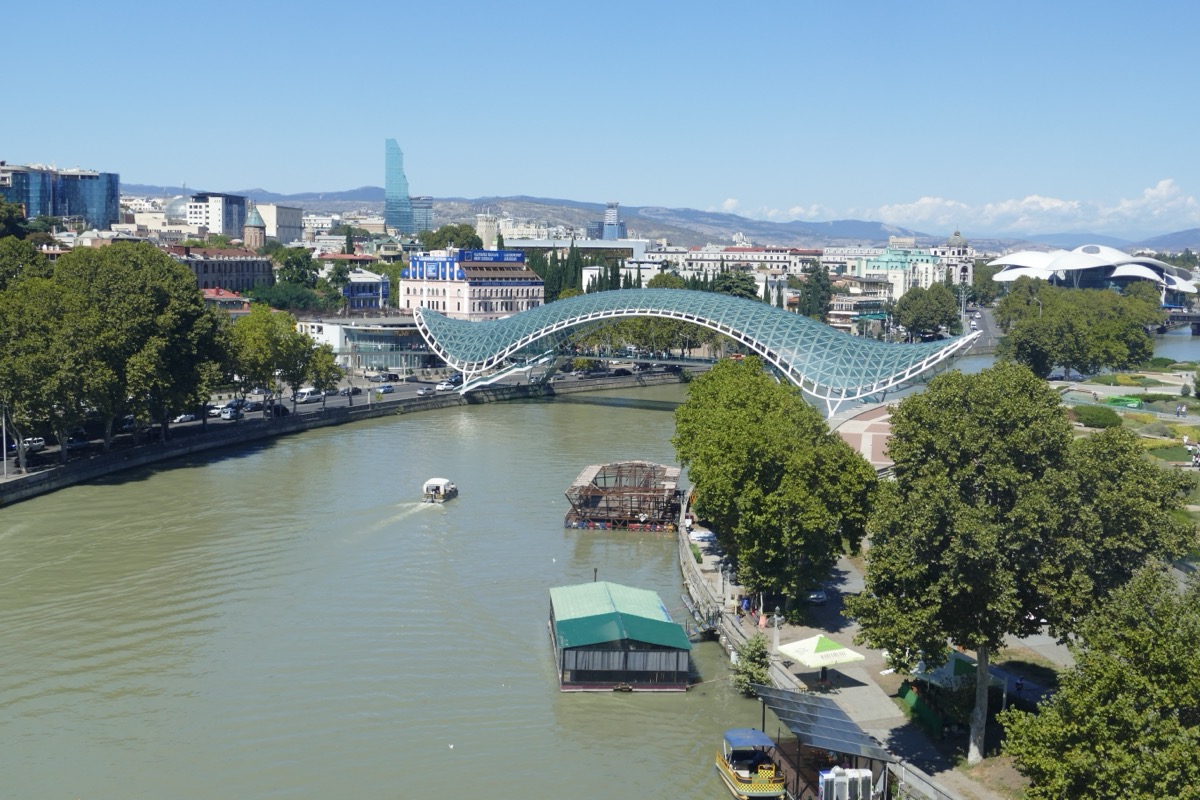
Finding a flexible base in Europe can be challenging, but the georgia digital nomad visa program, officially known as the Remotely from Georgia initiative, offers one of the most accessible pathways for remote workers worldwide.
This guide explores how the program works, who qualifies, and how you can transition your remote career to the historic streets of Tbilisi or the scenic mountain regions of the Caucasus. Please note that this guide is for informational purposes only and does not constitute formal legal or immigration advice.
What is the Georgia digital nomad visa?
The Georgia digital nomad visa is a specialized entry and residency pathway designed to allow foreign remote workers, freelancers, and business owners to live and work in Georgia legally.
Launched to welcome location independent professionals, this program bridges the gap for travelers who want to stay longer than the standard tourist allowance. It enables individuals to enjoy the country's rich culture, affordable cost of living, and stunning landscapes while continuing to serve clients or employers based outside of Georgia.
Who is eligible for this remote work program?
Eligibility for this program is broad, but applicants must meet specific criteria to prove they can support themselves without taking local Georgian jobs.
To qualify, you generally need to fall into one of three categories: a remote employee with a contract outside Georgia, a freelancer with a diverse client base, or an entrepreneur who owns an active foreign business. The primary requirements typically include:
- Proof of employment or active freelance contracts with entities outside Georgia.
- A minimum monthly income threshold, which official guidance indicates is around 2000 US dollars per month, though you should confirm the exact current figure with the embassy.
- Valid health insurance that covers the entirety of your planned stay in Georgia.
- Citizenship from one of the ninety five countries permitted to enter Georgia visa free for up to one year.
Who this route does not suit
This pathway is not designed for individuals seeking local employment within Georgia. If your goal is to work for a Georgian company or find a local job upon arrival, you will need to apply for a standard work permit instead. It is also less suitable for those who cannot provide clear, documented proof of their monthly income through bank statements and contracts.
What documents do you need to apply?
Preparing your paperwork in advance is the key to a smooth application process, and most documents must be submitted digitally.
While requirements can change, applicants are generally expected to gather and upload the following documents during the online application process:
- A copy of your valid passport with at least six months of validity remaining.
- Proof of income, which can include bank statements from the past twelve months, tax returns, or official pay slips.
- An employment contract or freelance service agreements demonstrating your ongoing remote work status.
- A certificate of health insurance valid for use within Georgia.
- A letter of consent or confirmation from your employer stating you are permitted to work remotely from abroad.
How do you complete the application process?
The application process for this program is remarkably straightforward and is completed almost entirely online.
Unlike traditional visas that require multiple in person visits to a consulate, the Georgian government designed this initiative to be digital first. Here is the typical step by step flow of the application:
Step 1: Gather and scan your documents
Ensure all your financial records, employment contracts, and insurance policies are translated into English or Georgian if necessary. Scan these documents in high resolution formats.
Step 2: Submit the online application
Visit the official government portal dedicated to the Remotely from Georgia program. Fill out the personal information fields, details about your employment, and upload your supporting documents.
Step 3: Await assessment
The authorities will review your submission. Reports suggest that processing times are relatively fast, often taking between ten to fourteen business days, though you should allow for potential delays during peak periods.
Step 4: Receive your approval and travel
Once approved, you will receive an official confirmation via email. You can then travel to Georgia and present this confirmation alongside your passport at the border control point.
What are the tax implications for digital nomads in Georgia?
Tax residency is an essential consideration for anyone staying in Georgia for more than one hundred and eighty days in a twelve month period.
Georgia offers an incredibly attractive tax environment, especially for registered individual entrepreneurs. Under the Small Business Status scheme, eligible freelancers and sole traders with an annual turnover below a certain threshold can qualify for a tax rate of just one percent on their income. However, rules are detailed, and you must register with the Georgian Revenue Service to access these benefits. It is highly recommended to consult a local tax professional to ensure you structure your business and personal taxes correctly while living in the country.
How does the cost of living compare for remote workers?
The cost of living in Georgia is one of its biggest draws for digital nomads, offering high quality living at a fraction of Western European prices.
Accommodation in popular hubs like Tbilisi or Batumi is highly affordable, with modern apartments available for reasonable monthly rents. Dining out, public transport, and high speed internet are also very cost effective, allowing remote workers to enjoy a comfortable lifestyle while saving money or reinvesting in their businesses. Co working spaces are plentiful in the capital city, providing excellent infrastructure and community events for networking with other international professionals.
You may also like
Philippines Digital Nomad Visa: Long Stay Options and Costs
Explore the upcoming philippines digital nomad visa, long stay options, and island living costs in this comprehensive guide for remote workers.

How to Obtain Paraguay Residency: A Complete Guide
Discover how to secure Paraguay residency in 2026. Learn about the requirements, application timeline, and why nomads choose this low-cost route.

Peru Digital Nomad Visa: Long-Stay and Rentista Options
Explore the peru digital nomad visa and rentista options. Learn about eligibility, application steps, and cost of living in Peru.

Uruguay Residency for Remote Workers: A Complete Guide
Discover how to secure Uruguay residency as a remote worker in 2026. Learn about the fast track route, tax benefits, and living in Montevideo.
Join the Nomad Herald newsletter
Visas, remote income, and borderless living. Free, straight to your inbox.