How to Become a Digital Nomad in 2026: Step by Step
How to become a digital nomad in 2026: build remote income, choose a base, sort your visa, and start working from anywhere.
 By Nomad Herald . · October 28, 2025 · 3 min read · Nomad Life
Ready to start a new life as a digital nomad
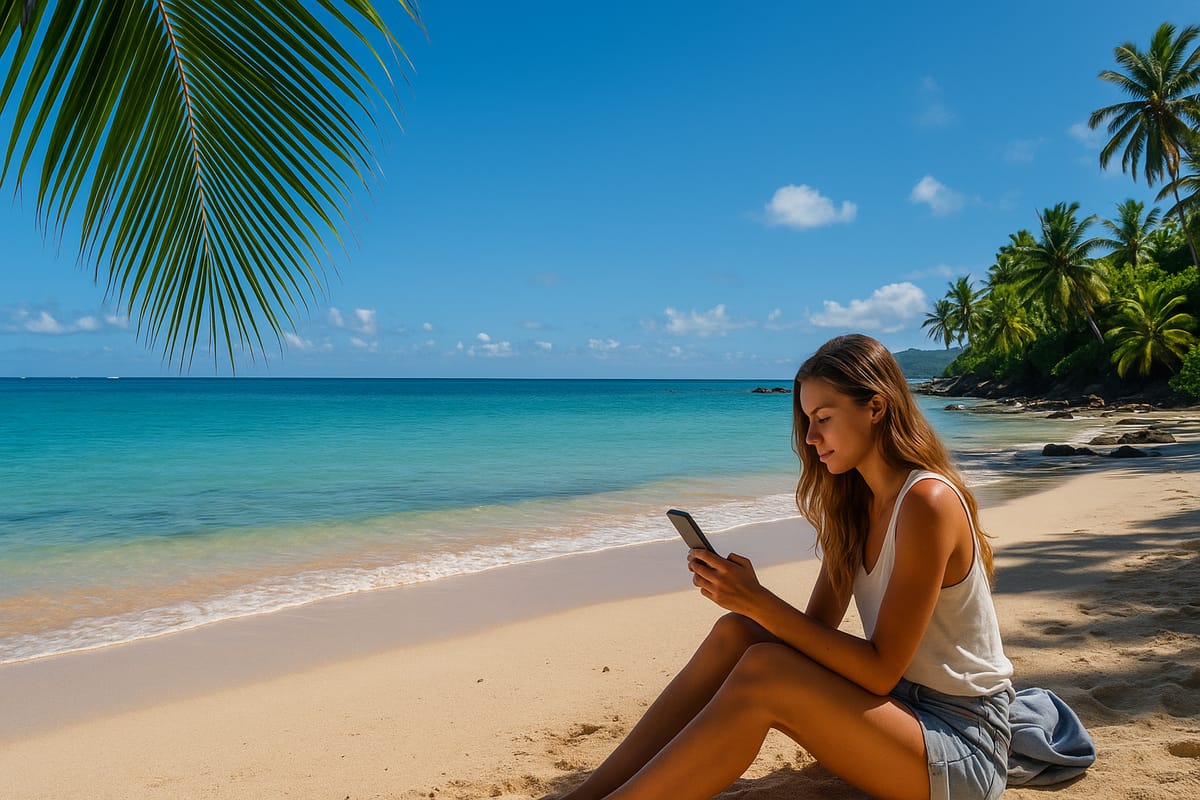
More people want work that gives freedom. The idea of opening your laptop on a beach or in a quiet mountain town feels better than being stuck in traffic or a noisy office. Many have already made this shift. Millions now live and work from different countries while growing their careers online.
A digital nomad works online and chooses where to live. They travel often. They work from cafés, coworking spaces, rented apartments or anywhere with a good internet connection. The focus is on results, not location.
You can explore new places, meet new people and design your own routine. You must also deal with unstable WiFi, new cultures and personal discipline. It is exciting, but it requires planning.
You can start step by step.
- Learn skills that work onlineRemote friendly skills include writing, marketing, coding, design, customer service and virtual assistance. Build a portfolio. Improve your skills through online courses. Show your best work so companies can trust you.
- Secure a reliable incomeLook for freelance or remote roles that match your strengths. Examples include software development, bookkeeping, blogging, social media management, consulting and customer support. Start applying on remote job boards and build a network on professional platforms.
- Prepare the right equipmentA strong laptop and stable internet are essential. Some jobs need extras like a headset or a VPN for secure access. Always check internet options in the place you plan to stay. Carry a backup plan like a portable WiFi device.
- Choose a destination that fits your needsPopular options for digital nomads include Portugal, Spain, Greece, Costa Rica, Mexico and Indonesia. Study the cost of living, safety, visa rules and internet quality before you move.
- Understand taxesEach country has its own tax system. Some offer reduced taxes for remote workers. Speak to an accountant who knows international tax matters. It will save you stress later.
- Keep an emergency fundTravel can be unpredictable. Illness, accidents or sudden travel changes can happen. A savings buffer and travel insurance keep you protected.
- Explore digital nomad visasMany countries have created visas for remote workers. They help you stay longer with legal status. Examples include Germany freelance visa, Dubai remote work visa, Portugal temporary stay visa, Costa Rica rentista option and Spain remote worker visa. Each has clear income and application requirements.
- Find a place to liveChoose housing that is safe and comfortable. Look at private rentals, hostels or co living communities. Read reviews. Join local groups that help travelers find good accommodation.
- Build a communityWorking alone can feel isolating at times. Join coworking spaces, attend meetups, learn a new hobby or connect with digital nomad groups online. Friends and networks make the lifestyle stronger.
Myth 1. It feels like a constant holiday
You still work regular hours. The view changes, the work remains.
Myth 2. They have no worries
You must handle travel plans, housing, visas, taxes, and healthcare. Freedom comes with responsibilities.
Myth 3. Digital nomads are lonely
Most digital nomads meet many new people. Online tools make it easy to stay connected with family and friends too.
Enjoy the freedom
Remote work is changing how people live. If you want a life with mobility and control over your time, this path could fit you. Start with one step. Learn a skill. Find one client. Travel when you are ready. Your new lifestyle can grow from there.
Nomad Herald will continue sharing guides and useful updates for remote workers. If you are preparing for this journey, you already belong to the global nomad community.
You may also like
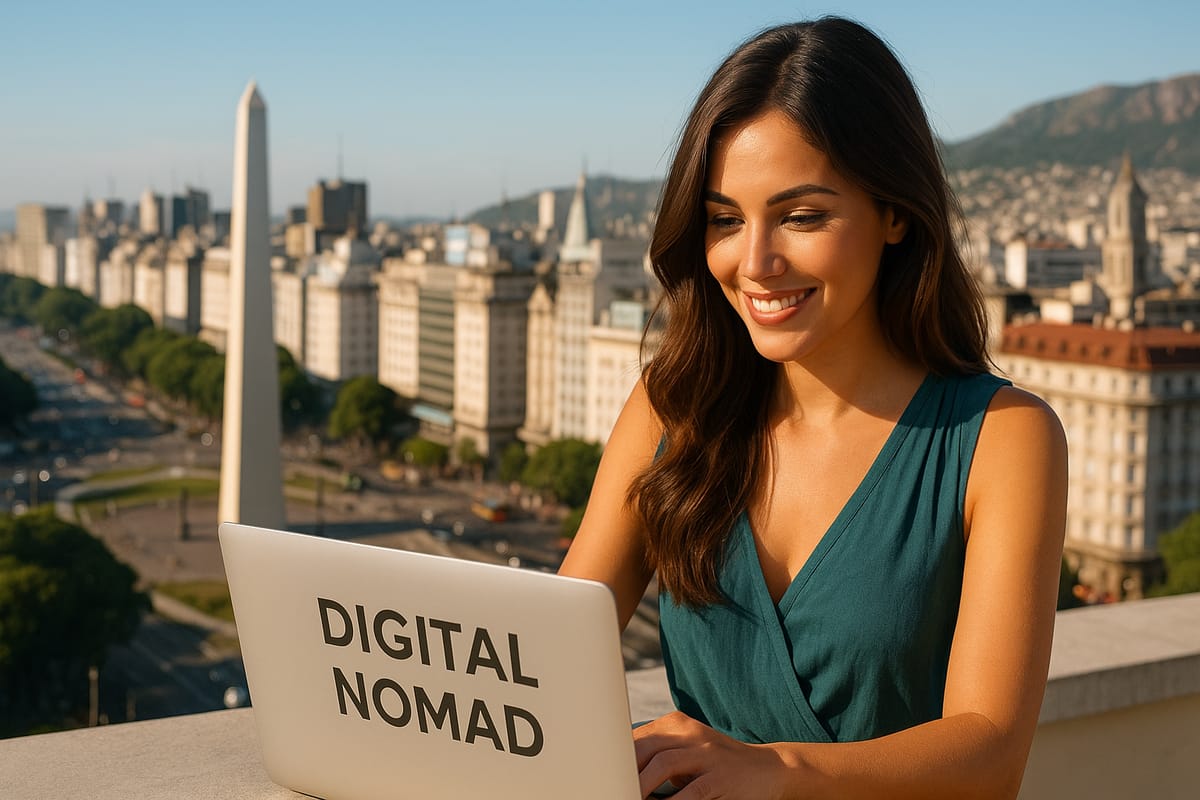
Borderless Life: Nomad Visas, Income Ideas and Tools
A digital nomad roundup: growing nomad visas, smart side income ideas, and the tools that keep a location independent life running.
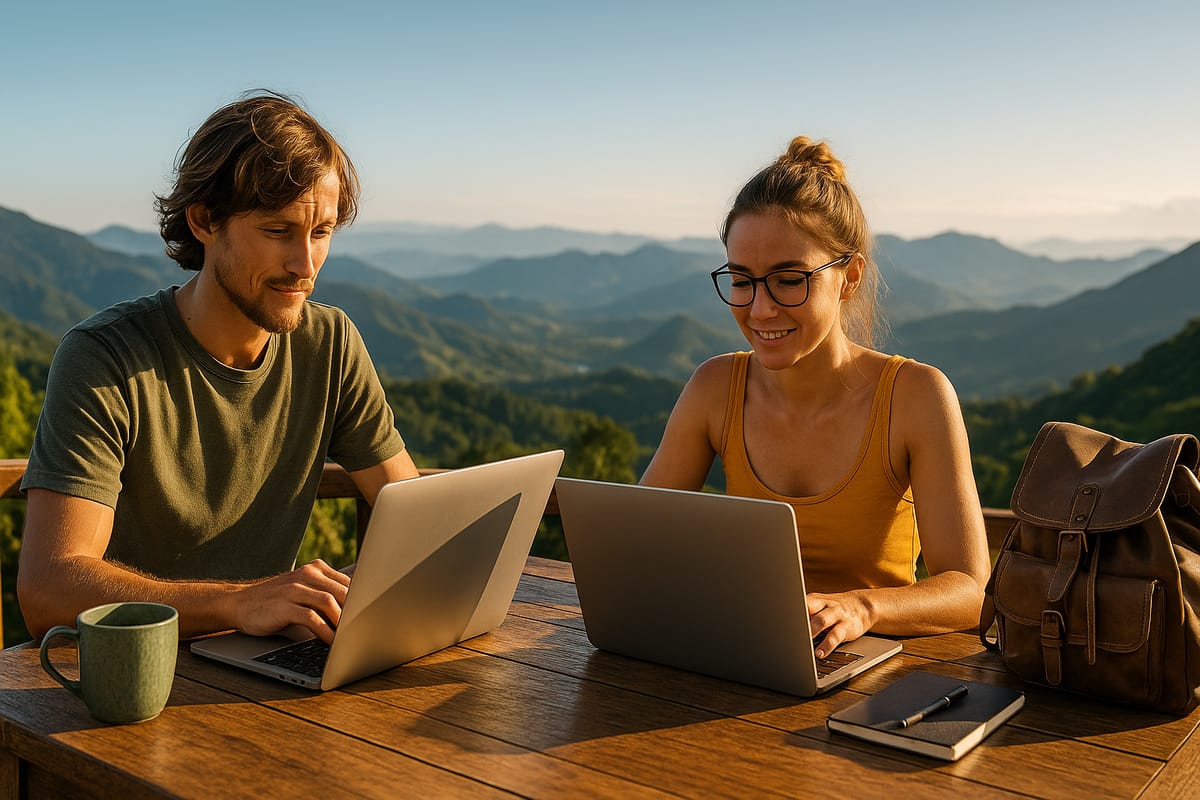
Freedom without Borders: The Nomad paths changing lives in 2025
From new visa routes to scalable income streams, discover how today’s nomads are redesigning work and lifestyle on their own terms.
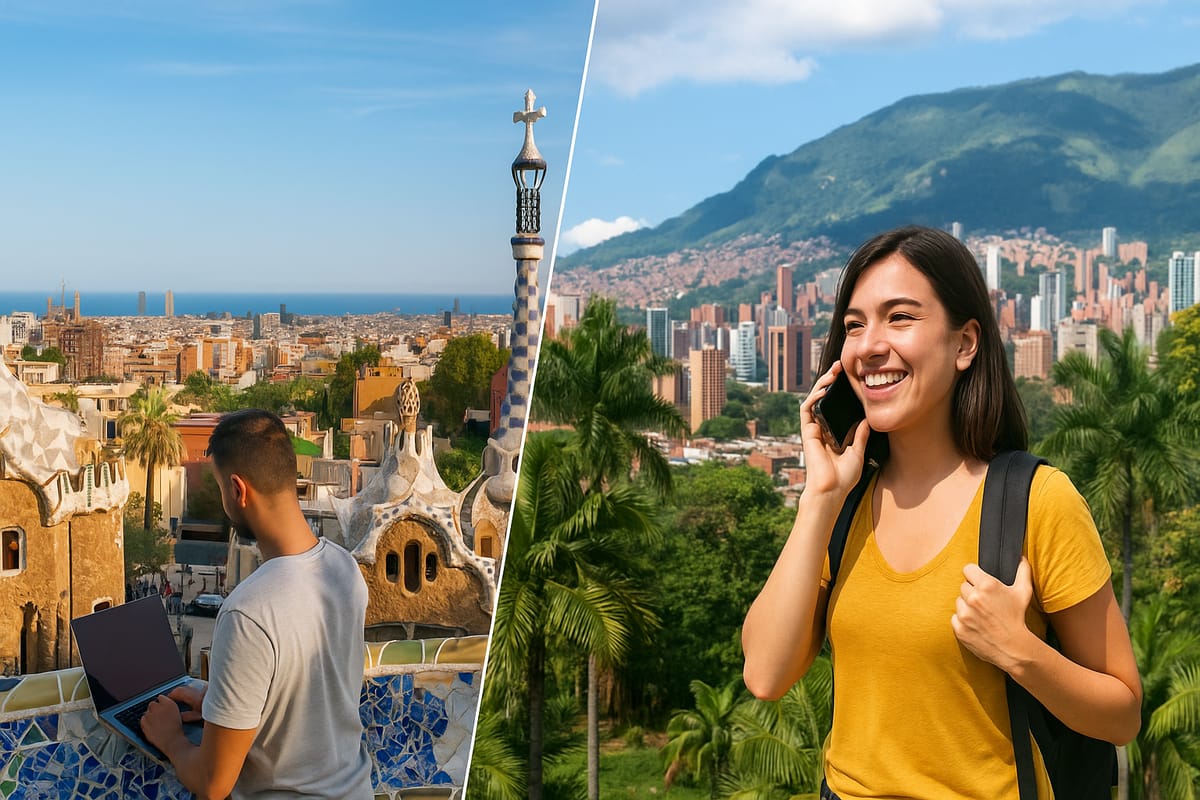
🚀 Don’t Miss This: Check where Nomads are moving in 2025 ✈️
Visas, lifestyle tips, and the strategies nomads use to turn location independence into reality.
Nomad Weekend Read: Freedom, Passive Income and Visas
A weekend read for digital nomads: freedom, passive income streams, and hidden visa gems worth knowing.
Join the Nomad Herald newsletter
Visas, remote income, and borderless living. Free, straight to your inbox.