Malta for Digital Nomads: Visa, Lifestyle and Costs Explained
Malta's Nomad Residence Permit in 2026. The 42,000 euro income rule, the 10 percent tax rate, fees, and cost of living explained.
 By Nomad Herald . · August 7, 2025 · Updated August 19, 2026 · 2 min read · Visa & Residency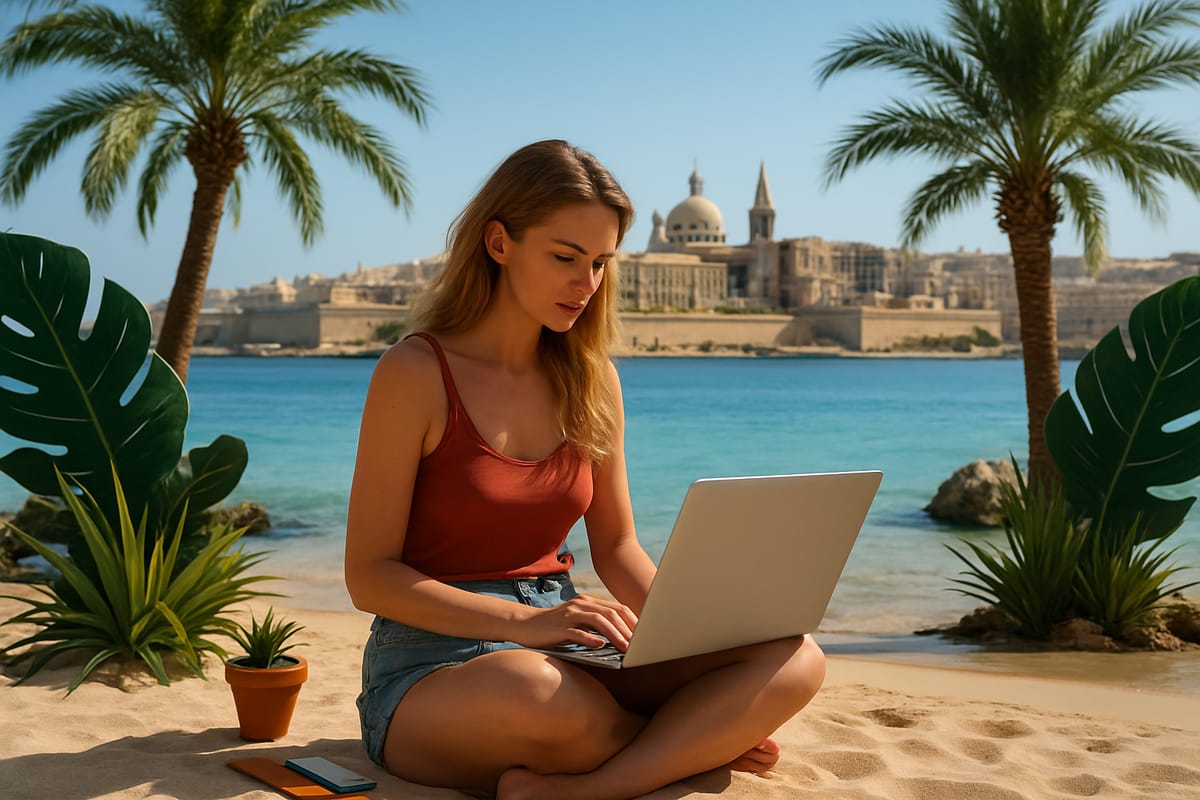
Malta packs Mediterranean sunshine, English as an official language, and a remote friendly visa into one small archipelago. Its Nomad Residence Permit lets non EU citizens live in Malta while working for clients or companies abroad. Here is the 2026 version, including the income and tax rules that matter most.
Who can apply
The Nomad Residence Permit is open to non EU nationals who work remotely. You can apply as a remote employee of a foreign company, a partner in a business registered abroad, or a freelancer serving foreign clients. Your work must not depend on the Maltese market.
Income requirement
You need to earn at least 42,000 euros gross per year, which works out to roughly 3,500 euros per month. That figure has been the standard since the requirement was raised in 2024, so treat older articles quoting 32,400 euros as out of date unless you applied before that change.
Duration and fees
The permit is valid for one year and can be renewed up to three times, for a maximum of four consecutive years. The administrative fee is 300 euros per applicant, plus a small residence card fee. You will also need health insurance covering Malta with substantial cover, prepaid for the full year.
The tax rate that draws people in
Malta offers one of Europe's clearest nomad tax deals. Qualifying remote work income is exempt for the first twelve months, then taxed at a flat ten percent, well below Malta's normal rates. In early 2026 the tax authority published guidelines clarifying how the rules work in practice, but the underlying structure of zero then ten percent did not change. Confirm your position with an adviser, since other income can be taxed differently.
Life on the islands
Malta delivers over three hundred sunny days a year, warm winters, and quick hops to the quieter island of Gozo. Valletta, Sliema, and St Julian's have coworking spaces and reliable fast internet, and the expat community is easy to plug into. Public buses are cheap, so most nomads skip a car.
What does it cost to live in Malta?
Plan for roughly 1,500 to 2,000 euros a month for one person. A one bedroom apartment runs about 700 to 1,200 euros depending on area and season, with utilities, food, and a coworking desk on top. Sharing a flat or living outside the busiest towns brings that down. For other sunny European bases, see our guide to the Spain digital nomad visa.
Is Malta good for digital nomads?
Very. You get an English speaking base inside the EU, a clear low tax route, and a compact island that is easy to settle into. The main trade offs are summer crowds and rising rents in the popular towns. If those do not put you off, Malta is one of the smoother moves in Europe. Compare more options in our easiest visas guide.
Ready for island life? Subscribe to Nomad Herald for weekly nomad visa breakdowns.
You may also like
Philippines Digital Nomad Visa: Long Stay Options and Costs
Explore the upcoming philippines digital nomad visa, long stay options, and island living costs in this comprehensive guide for remote workers.

How to Obtain Paraguay Residency: A Complete Guide
Discover how to secure Paraguay residency in 2026. Learn about the requirements, application timeline, and why nomads choose this low-cost route.
Peru Digital Nomad Visa: Long-Stay and Rentista Options
Explore the peru digital nomad visa and rentista options. Learn about eligibility, application steps, and cost of living in Peru.
Uruguay Residency for Remote Workers: A Complete Guide
Discover how to secure Uruguay residency as a remote worker in 2026. Learn about the fast track route, tax benefits, and living in Montevideo.
Join the Nomad Herald newsletter
Visas, remote income, and borderless living. Free, straight to your inbox.