Mexico Temporary Resident Visa Digital Nomad Guide for 2026
Learn how the mexico temporary resident visa digital nomad route works in 2026, including eligibility, required documents, and steps to apply.
 By Nomad Herald · September 19, 2026 · Updated October 16, 2026 · 6 min read · Visa & Residency
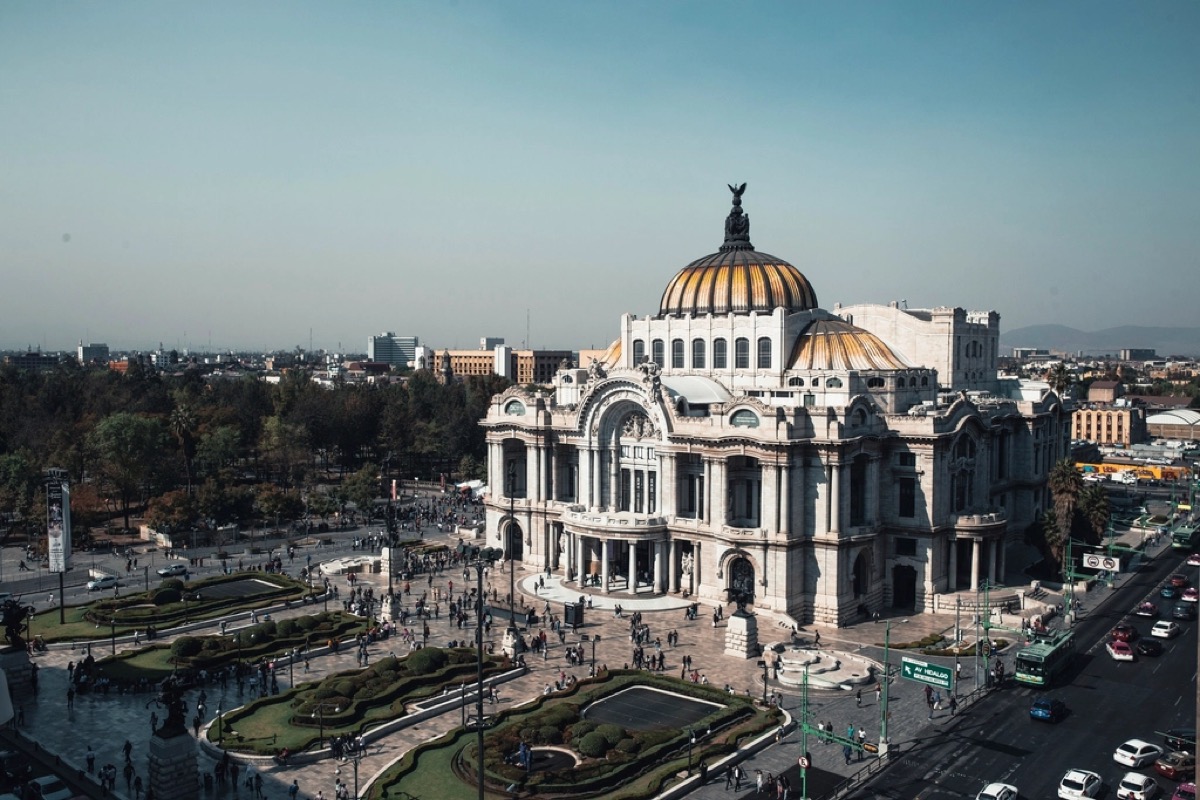
Securing a mexico temporary resident visa digital nomad status allows remote workers, freelancers, and location-independent entrepreneurs to live in Mexico legally for up to four years. While many travelers enter Mexico on standard tourist permits, the temporary resident route provides legal stability, local banking access, and the right to remain in the country without visa runs. This guide breaks down how the visa functions, who qualifies, and how to navigate the application process in 2026.
Please note that this guide provides general information for educational purposes and does not constitute legal, financial, or formal immigration advice. Immigration policies and financial criteria update frequently, so always verify current requirements with an official Mexican consulate before starting your application.
What Is the Mexico Temporary Resident Visa Digital Nomad Route?
The mexico temporary resident visa digital nomad path is a formal residency permit issued to foreign nationals who earn an income from sources outside of Mexico. Unlike a tourist card, which caps stays at a maximum of 180 days and offers no long-term legal status, temporary residency grants an initial stay of one year, renewable annually for up to four consecutive years. After four years on this visa, foreign residents become eligible to apply for permanent residency.
This route is designed specifically for individuals who maintain remote employment contracts, manage foreign businesses, or service international clients. Holding this visa means you are living in Mexico legally as a resident rather than a tourist, allowing you to sign long-term lease agreements, register a vehicle, and open local bank accounts.
Who Is This Residency Route Best Suited For?
This immigration route suits digital nomads who want a stable base in Latin America without constant border crossings. It offers an ideal pathway for full-time remote employees, agency owners, software developers, writers, and consultants whose earnings come exclusively from foreign entities.
Who Should Apply
- Remote employees: Workers with contracts at companies located outside of Mexico.
- Freelancers and consultants: Independent professionals with established international client bases.
- Online business owners: Founders who generate revenues from global markets.
- Financially independent individuals: Individuals with stable passive income from investments, pensions, or rental properties abroad.
Who Should Look Elsewhere
- Local job seekers: Individuals who plan to perform work for Mexican employers or local businesses, as this permit does not grant local employment rights.
- Short-term travelers: Nomads who intend to stay in Mexico for less than six months may find the standard tourist permit sufficient.
- Low-income remote workers: Applicants who cannot satisfy the monthly income or savings thresholds required by consulate guidelines.
How Do You Qualify for the Visa?
To qualify for the visa, applicants must demonstrate sufficient financial solvency through either stable monthly remote income or substantial bank savings maintained over a continuous period. Consulate officers check bank statements and official documents strictly to confirm that you will not rely on the local Mexican labor market.
Core Qualification Criteria
- Foreign income source: Proof that your earnings originate entirely from foreign clients, companies, or investments.
- Financial solvency via income: Consistently proving monthly income over the preceding six months via bank statements and pay slips. Official guidance updates these figures annually based on minimum wage indexing.
- Financial solvency via savings: Alternatively, proving a sustained average monthly balance in investment or bank accounts over the preceding twelve months.
- Clean background: A clear legal history, verified during the consular interview.
What Documents Are Required for the Application?
Gathering correct paperwork is the most critical step of the process, as Mexican consulates strictly reject incomplete or inconsistent documentation. All foreign documents may need to be translated into Spanish depending on the specific consulate where you apply.
Essential Document List
- Valid passport: Original passport with at least six months of validity remaining and blank visa pages.
- Application form: Fully completed and signed visa application form provided by the consulate.
- Passport photos: Recent color passport photos taken against a white background with clear face visibility.
- Proof of financial solvency: Official, stamped bank statements for the last six to twelve months showing steady incoming funds or required balances.
- Work verification: An official letter from your employer confirming your remote status, or proof of business ownership, invoices, and active client contracts.
- Application fee: Payment for the visa processing fee, payable at the consular appointment.
How Does the Application Process Work Step by Step?
How does the application process work step by step? The application process flows through a mandatory two-stage system starting at a Mexican consulate outside Mexico and ending at an immigration office inside the country. Applicants cannot complete the initial process while staying in Mexico on a tourist permit.
Step 1: Consular Appointment Outside Mexico
Schedule an appointment at a Mexican consulate in your home country or another country where you hold legal stay. Attend the interview with all original documents and financial statements. If approved, the consular officer prints a temporary residency visa sticker into your passport, which is valid for six months and allows a single entry into Mexico.
Step 2: Entering Mexico and Form Processing
Fly to Mexico within the validity window of your passport sticker. At the port of entry, present your passport and ensure the border official marks your entry correctly for a residence exchange rather than issuing a standard 180-day tourist entry.
Step 3: Canje at the Local Immigration Office
How do you finalize your residency inside Mexico? You must complete the exchange process, known locally as the canje, within 30 calendar days of arriving in Mexico. Visit your nearest National Migration Institute office to submit your paperwork, register fingerprints, and take photos for your official residency card.
Step 4: Receiving Your Resident Card
Once processed, the immigration office issues your plastic Temporary Resident card. This card proves your legal status for one year and must be renewed at an immigration office inside Mexico prior to its expiration date.
What Are the Tax and Cost of Living Considerations?
What are the tax implications of moving to Mexico as a digital nomad? Foreign remote workers who acquire temporary residency do not automatically become Mexican tax residents, provided their primary economic interest and physical presence remain balanced according to local laws and tax treaties. However, spending more than 183 days per calendar year in the country can trigger tax residency obligations under local law.
Mexico remains an accessible destination for international workers due to moderate housing, food, and transport costs outside major tourist centers. Cities like Mexico City, Guadalajara, Queretaro, and Merida offer high-speed internet infrastructure, coworking hubs, and active digital nomad communities suitable for long-term residency.
What Are Common Mistakes to Avoid When Applying?
What are common mistakes to avoid during the residency process? The most frequent error applicants make is attempting to start the temporary residency application from inside Mexico without visiting a foreign consulate first. The initial visa sticker must always be processed outside Mexican territory.
Another common mistake involves presenting incomplete bank statements. Consulates usually require official bank stamps or original paper statements rather than loose online printouts. Furthermore, requirements and financial thresholds can vary slightly between different consulates, so checking the exact submission instructions on your chosen consulate website beforehand prevents unnecessary delays.
You may also like

Curacao Remote Work Visa: Application Guide and Requirements
Learn how to apply for the curacao remote work visa, including eligibility criteria, document requirements, and application steps for remote workers.
Belize QRP Visa Guide: Requirements and Benefits
Explore the belize qrp visa pathway. Learn about income criteria, residency perks, and tax rules for foreign retirees and remote workers.

EU Blue Card 2026: Complete European Union Skilled Worker Guide
Learn how the EU Blue Card allows highly qualified non-EU professionals to live, work, and move freely across participating European Union countries.

New Zealand Working Holiday Visa Guide for Remote Workers
Learn how the new zealand working holiday visa allows location-independent professionals to travel, work, and build a remote lifestyle across the country.
Join the Nomad Herald newsletter
Visas, remote income, and borderless living. Free, straight to your inbox.