How to Apply for the Namibia Digital Nomad Visa
Learn how to secure the Namibia digital nomad visa, including income requirements, application steps, and practical tips for remote workers.
 By Nomad Herald · October 1, 2026 · 4 min read · Visa & Residency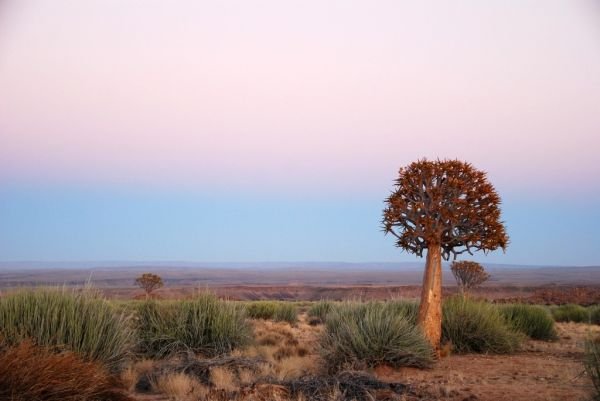
Securing the namibia digital nomad visa offers remote workers a unique opportunity to live and work amidst some of the most dramatic landscapes in Africa, from the towering dunes of Sossusvlei to the rugged coastline of Swakopmund.
Namibia was among the first African nations to introduce a dedicated pathway for location-independent professionals. This initiative allows digital nomads, freelancers, and remote employees to experience the country for up to six months while continuing to serve clients or employers based outside of Namibia. This guide provides a comprehensive overview of the eligibility criteria, application process, and practical realities of living as a remote worker in Namibia.
Who is the Namibia digital nomad visa best suited for?
The namibia digital nomad visa is designed specifically for individuals who are employed by companies registered outside Namibia, own a business located abroad, or work as freelancers with clients based outside the country.
It is an ideal fit for those who want to explore Southern Africa without being restricted by a standard three-month tourist entry. It suits self-motivated professionals who do not require high-speed fiber internet at every moment, as connectivity in remote desert areas can be variable. It is not suitable for anyone seeking local employment within Namibia, nor is it a pathway to permanent residency or citizenship. The visa is strictly temporary and focuses on bringing external capital into the local economy.
What are the main eligibility requirements?
To qualify for this remote work visa, applicants must demonstrate financial self-sufficiency and prove that their income originates entirely from foreign sources.
- Proof of Income: Applicants must show a consistent monthly income that meets the minimum threshold set by the government, which is approximately 2,000 US dollars per month for the main applicant, with additional amounts required if accompanying family members are included.
- Employment Status: You must provide a contract of employment, business registration documents, or freelance contracts proving your work can be done remotely.
- Health Coverage: Comprehensive medical insurance that covers medical treatment and evacuation within Namibia is mandatory.
- Clean Record: A police clearance certificate from your country of origin or residence is required to ensure public safety.
How do you apply for the namibia digital nomad visa?
The application process for the namibia digital nomad visa is completed online before you travel, making it a relatively straightforward digital procedure.
Step 1: Document Preparation
Gather all necessary paperwork, ensuring that any documents not in English are officially translated. Key documents include your passport valid for at least six months beyond your intended stay, a motivation letter explaining your plans, and bank statements covering the last six months to prove your income.
Step 2: Online Submission
Submit your application through the official portal designated by the Ministry of Home Affairs, Immigration, Safety and Security. You will need to upload digital copies of all required documents and pay the administrative processing fee.
Step 3: Approval and Arrival
Once approved, you will receive an approval letter via email. Print this letter and present it to immigration officers upon arrival in Namibia, where the physical visa sticker or stamp will be placed in your passport.
What is the cost of living and tax situation?
The cost of living in Namibia is generally affordable for remote workers earning in foreign currencies, though certain western amenities can be highly priced due to import costs.
Rent in capital cities like Windhoek or coastal towns like Swakopmund is reasonable, and dining out or buying local produce is highly cost-effective. From a tax perspective, digital nomads holding this visa are generally not subject to local income tax, as their income is derived from foreign sources and their stay is limited to six months. However, tax laws are complex, and applicants should consult a professional to understand their specific tax residency status.
What are the most common mistakes to avoid?
One of the most common mistakes applicants make is failing to secure reliable health insurance that specifically covers repatriation and extreme sports, which are popular in Namibia.
Another common oversight is underestimating the connectivity challenges. While major urban centers have decent mobile coverage and broadband, remote lodges and desert camps may rely on satellite connections that are slow or unstable. It is wise to purchase a local SIM card with a generous data package immediately upon arrival to use as a backup hotspot. Lastly, always double-check that your bank statements clearly display your name and show a consistent flow of income that matches your employment contract.
Is this guide official immigration advice?
No, this article is intended for general informational purposes only and does not constitute official legal or immigration advice.
Immigration policies, income thresholds, and document requirements can change without notice. Prospective applicants must verify all current fees, rules, and procedures on the official website of the Namibian Ministry of Home Affairs or consult with an authorized immigration attorney before making travel arrangements.
You may also like
How to Apply for the Cape Verde Remote Work Visa
Learn how to apply for the Cape Verde remote work visa, including eligibility requirements, application steps, and essential tips for digital nomads.
How to Get a UAE Freelance Permit and Work Remotely
Compare the UAE freelance permit with the virtual working visa. Learn about costs, eligibility, and step-by-step application requirements.
Iceland Remote Work Visa: The 2026 High Income Guide
Learn the requirements, process, and costs for the iceland remote work visa, designed for high-earning digital nomads and remote employees.
How to Apply for the Romania Digital Nomad Visa in 2026
Discover how to secure the romania digital nomad visa, including income requirements, essential documents, and living costs for remote workers.
Join the Nomad Herald newsletter
Visas, remote income, and borderless living. Free, straight to your inbox.