Netherlands DAFT Visa Guide for Americans
Learn how to move to Europe with our comprehensive netherlands daft visa guide for American entrepreneurs and self-employed freelancers.
 By Nomad Herald · September 27, 2026 · 5 min read · Visa & Residency
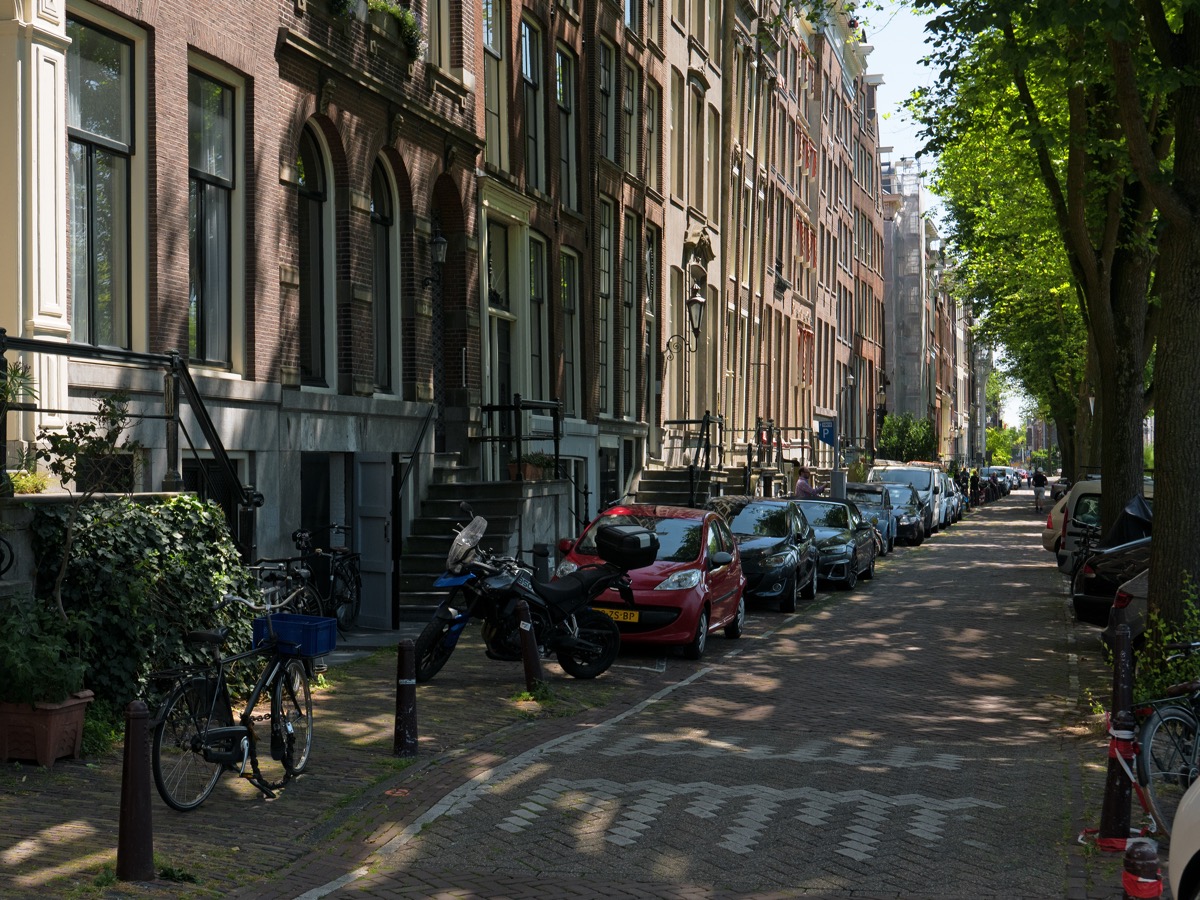
The netherlands daft visa remains one of the most accessible and attractive pathways for United States citizens wishing to live and work in Europe as independent business owners. Officially known as the Dutch American Friendship Treaty, this historic agreement allows American entrepreneurs, freelancers, and self-employed professionals to establish a business in the Netherlands and secure residency under highly favorable conditions. Unlike standard entrepreneur visas in Europe, this route does not require a complex points system or major capital investments.
While the application process is relatively straightforward, navigating the Dutch bureaucracy requires careful planning, attention to detail, and a clear understanding of the sequence of events. This guide outlines the essential steps, requirements, and practical considerations for successfully launching your Dutch business and securing your residency card under this unique treaty. Please note that this guide is for informational purposes only and does not constitute formal legal or immigration advice.
What is the Dutch American Friendship Treaty?
The Dutch American Friendship Treaty is a bilateral agreement established in 1956 that allows American citizens to obtain Dutch residency by starting a business in the Netherlands. The primary advantage of this pathway is the significantly lowered barrier to entry compared to other foreign entrepreneurs. Instead of proving that your business will innovate the local economy or create Dutch jobs, you only need to show that you are investing a modest amount of personal capital and operating a legitimate sole proprietorship or private limited company. This makes it an ideal option for writers, software developers, consultants, and other remote service providers who can run their businesses from anywhere.
Who is eligible for the netherlands daft visa?
To qualify for the netherlands daft visa, you must meet several specific personal and financial criteria established by the Dutch immigration authorities. While the treaty is highly favorable, it is strictly reserved for individuals who are actively managing their own business and can support themselves without relying on the Dutch social security system.
Key Eligibility Criteria
- You must hold valid United States citizenship and a valid US passport.
- You must establish a new business or buy into an existing business in the Netherlands.
- You must invest a minimum capital of 4500 Euros into the business bank account.
- You must maintain this minimum capital of 4500 Euros in your business account for the entire duration of your residency.
- You must register your business with the Dutch Chamber of Commerce, known locally as the Kamer van Koophandel.
- You must not have a criminal record or pose a threat to public order.
How do you apply for the visa step by step?
Applying for residency under the Dutch American Friendship Treaty involves a specific sequence of administrative tasks that must be completed in a precise order once you arrive in the Netherlands. Most applicants enter the country as tourists, which allows them 90 days to initiate the process locally.
The Application Process Flow
- Step 1: Enter the Netherlands. You can enter the Schengen zone as a tourist on your US passport without a pre-entry visa.
- Step 2: Secure a local address. You must find a registered rental address where you can legally register with the local municipality. This is a crucial step, as you cannot get your citizen service number without a registered address.
- Step 3: Municipal Registration. Register at your local town hall to receive your citizen service number, known as a BSN.
- Step 4: Register with the Chamber of Commerce. Book an appointment at the Chamber of Commerce to officially register your business entity, usually as an Eenmanszaak, which is a sole proprietorship.
- Step 5: Open a business bank account. Once your business is registered, open a Dutch business bank account and deposit the required 4500 Euros of investment capital.
- Step 6: Submit the application to the IND. Submit your residency application and paying the required processing fees to the Dutch Immigration and Naturalization Service.
- Step 7: Obtain an opening balance sheet. Work with a Dutch accountant to prepare an official opening balance sheet that confirms your 4500 Euro investment, which must be submitted to the IND to finalize your approval.
What documents are required for the application?
Preparing your document portfolio well in advance is essential for a smooth application process with both the Chamber of Commerce and the immigration office. All official US documents, such as birth certificates, must be legalized with an apostille from the state of issuance before you travel to the Netherlands.
Required Documents Checklist
- A valid US passport with at least six months of validity remaining.
- A legalized copy of your birth certificate with an apostille.
- A completed IND application form for the self-employed residency permit.
- Your official Chamber of Commerce registration extract.
- A Dutch business bank account statement showing a balance of at least 4500 Euros.
- An opening balance sheet prepared by a certified Dutch accountant or financial advisor.
- Proof of local Dutch health insurance coverage.
- A rental agreement or proof of home ownership in the Netherlands.
Are there any common mistakes to avoid?
The most common mistake applicants make is failing to secure a rental property that permits municipal registration. Many short-term holiday rentals and sublets do not allow you to register your name at the address, which prevents you from obtaining your BSN and completing the business registration. Always confirm with your landlord that registration is permitted before signing a lease. Another frequent error is dipping below the 4500 Euro capital threshold in the business bank account. This balance must remain untouched as a reserve. If your account balance falls below this minimum at any point, even for business expenses, your residency permit can be revoked during annual reviews or renewal processes.
You may also like
Philippines Digital Nomad Visa: Long Stay Options and Costs
Explore the upcoming philippines digital nomad visa, long stay options, and island living costs in this comprehensive guide for remote workers.

How to Obtain Paraguay Residency: A Complete Guide
Discover how to secure Paraguay residency in 2026. Learn about the requirements, application timeline, and why nomads choose this low-cost route.
Peru Digital Nomad Visa: Long-Stay and Rentista Options
Explore the peru digital nomad visa and rentista options. Learn about eligibility, application steps, and cost of living in Peru.
Uruguay Residency for Remote Workers: A Complete Guide
Discover how to secure Uruguay residency as a remote worker in 2026. Learn about the fast track route, tax benefits, and living in Montevideo.
Join the Nomad Herald newsletter
Visas, remote income, and borderless living. Free, straight to your inbox.