Philippines Digital Nomad Visa: Long Stay Options and Costs
Explore the upcoming philippines digital nomad visa, long stay options, and island living costs in this comprehensive guide for remote workers.
 By Nomad Herald · October 5, 2026 · 6 min read · Visa & Residency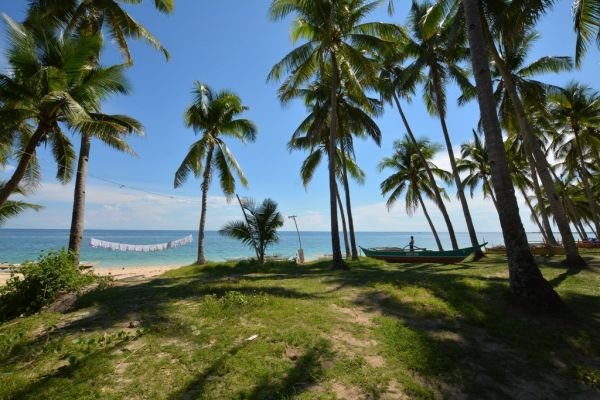
The introduction of the upcoming philippines digital nomad visa has generated immense excitement among remote workers looking to base themselves in Southeast Asia. Known for its stunning archipelago, friendly English speaking population, and affordable cost of living, this tropical destination is actively modernising its immigration framework to welcome location independent professionals. While the official digital nomad framework is finalised, remote workers can also utilise existing long stay options to live and work in this island paradise.
This guide provides an overview of the legal pathways, practicalities, and financial considerations of moving to the Philippines. Please note that immigration policies change frequently. This article is for informational purposes only and does not constitute formal legal or immigration advice.
What is the philippines digital nomad visa?
The philippines digital nomad visa is a dedicated residency pathway designed specifically for foreign remote workers, freelancers, and digital business owners who earn their income from sources outside the country. This upcoming program aims to simplify the legal status of remote workers, allowing them to reside in the country legally for an extended period without relying on successive tourist visa renewals. Official announcements indicate that the program intends to offer a streamlined application process and a clear tax structure for foreign earners.
Key features of the proposed program
- Extended Validity: The initial visa is expected to grant residency for up to 12 months, with the possibility of renewal for an additional year.
- Tax Exemptions: Reports suggest that holders of this visa whose income originates entirely outside the Philippines may benefit from favorable tax treatment on their foreign sourced earnings.
- Local Integration: Visa holders will be issued a formal identification card, making it easier to rent apartments, open local bank accounts, and set up utilities.
Who is eligible for the new nomad visa?
To qualify for the upcoming digital nomad pathway, applicants must demonstrate that they work remotely for employers or clients based entirely outside the Philippines. The program is designed for professionals who do not compete with the local labor market. While exact figures are subject to final administrative approval, the general eligibility criteria align with standard international practices.
General requirements for applicants
- Proof of Remote Work: Applicants must provide employment contracts, freelance service agreements, or business registration documents showing their source of income is external.
- Minimum Income Threshold: Official guidance suggests applicants will need to prove a stable monthly income, with reports indicating a threshold of approximately 2000 US dollars per month.
- Clean Criminal Record: A background check or police clearance certificate from the applicant's home country is typically required.
- Health Insurance: Comprehensive international health coverage that is valid in the Philippines for the duration of the stay is mandatory.
What other long stay options exist in the Philippines?
If you wish to travel to the Philippines before the nomad visa is fully implemented, you can utilize the highly flexible tourist visa extension system or alternative residency schemes. The country has historically been one of the easiest places in Asia for long term tourists to remain legally. Many remote workers successfully manage their stay using these existing pathways.
The tourist visa extension route
Citizens from over 150 countries can enter the Philippines visa free for stays of up to 30 days. Once inside the country, you can repeatedly extend your tourist visa at local Bureau of Immigration offices. Extensions can be granted for blocks of 1 to 2 months, or even 6 months at a time, up to a maximum continuous stay of 36 months. After reaching the 3 year limit, you simply need to exit the country for a brief period and re enter to restart the cycle.
Special resident retiree visa
For nomads who are slightly older or have capital to invest, the Special Resident Retiree Visa is a highly popular option. Despite the name, the entry age in previous years has been as low as 35 or 50 depending on the specific sub category. This option requires a deposit in a Philippine bank account or an investment in local real estate, but it grants indefinite residency and multiple entry privileges.
How much does it cost to live in the Philippines?
The cost of living in the Philippines is highly affordable, making it an incredibly attractive destination for digital nomads looking to stretch their hard earned currency. While modern high rise living in metropolitan areas carries a premium, island destinations and regional cities offer exceptional value for money.
Average monthly budget estimates
A comfortable lifestyle in popular nomad hubs like Siargao, Boracay, or Cebu typically ranges from 1200 to 2000 US dollars per month. This budget easily covers comfortable accommodation, daily dining out, scooter rentals, co working space memberships, and domestic travel. In metropolitan areas like Manila, prices for premium apartments in neighborhoods like Bonifacio Global City can increase this budget significantly.
Cost breakdown of everyday expenses
- Accommodation: A modern one bedroom apartment or beachside studio ranges from 300 to 700 US dollars per month depending on the location.
- Food and Dining: Local meals cost between 2 to 5 US dollars, while western style cafes and restaurants charge 8 to 15 US dollars per meal.
- Connectivity: Unlimited fiber internet in co working spaces is highly reliable, while local mobile data packages cost around 15 to 20 US dollars per month.
What are the best destinations for nomads in the Philippines?
Choosing where to base yourself in the Philippines depends on your internet speed requirements and your lifestyle preferences. The country offers a diverse mix of bustling mega cities, surf towns, and tranquil beach destinations.
Top nomad hotspots
- Manila and Cebu City: Best for those who require high speed fiber internet, corporate networking, and modern high rise amenities.
- Siargao: The surfing capital of the country, popular for its vibrant community, beachside cafes, and laid back lifestyle, though power outages and internet fluctuations can occur.
- Davao City: Known for its safety, clean streets, and affordable lifestyle, offering a balanced mix of urban convenience and natural attractions.
- El Nido and Coron: Ideal for nature lovers and scuba divers, though best suited for short stays or light remote work due to variable infrastructure.
How can you prepare for your application?
To ensure a smooth application process for the philippines digital nomad visa once the portal opens, you should begin organizing your documentation well in advance. Preparing your paperwork early will help you avoid delays at the embassy or consular offices.
Step by step preparation checklist
- Verify Passport Validity: Ensure your passport is valid for at least six months beyond your planned stay.
- Gather Financial Proof: Compile bank statements, tax returns, and client invoices from the past six months to demonstrate stable income.
- Secure Official Translations: Ensure any documents not written in English are translated and apostilled or legalized by the appropriate authorities.
- Monitor Official Portals: Check the official website of the Philippine Bureau of Immigration or your local consulate regularly for the latest application fees and submission procedures.
You may also like

How to Obtain Paraguay Residency: A Complete Guide
Discover how to secure Paraguay residency in 2026. Learn about the requirements, application timeline, and why nomads choose this low-cost route.
Peru Digital Nomad Visa: Long-Stay and Rentista Options
Explore the peru digital nomad visa and rentista options. Learn about eligibility, application steps, and cost of living in Peru.
Uruguay Residency for Remote Workers: A Complete Guide
Discover how to secure Uruguay residency as a remote worker in 2026. Learn about the fast track route, tax benefits, and living in Montevideo.
Ecuador Digital Nomad Visa: Long-Stay Guide and Galapagos Rules
Learn how the Ecuador digital nomad visa works, including eligibility, application steps, and the travel rules for the Galapagos Islands.
Join the Nomad Herald newsletter
Visas, remote income, and borderless living. Free, straight to your inbox.