How to Apply for the South Korea Digital Nomad Visa
Learn about the South Korea digital nomad visa eligibility, income requirements, and how to apply to live and work remotely in Seoul or Busan.
 By Nomad Herald · September 25, 2026 · 3 min read · Visa & Residency
Securing the south korea digital nomad visa has become one of the most exciting opportunities for remote workers looking to experience East Asia. Officially known as the Workation Visa, this pathway allows foreign nationals to live in the country while continuing to work for an employer or run a business based overseas. This initiative bridges the gap between short term tourist stays and rigid corporate sponsorship, making it easier than ever to explore the vibrant culture of Seoul, Busan, and beyond.
As remote work trends continue to evolve, the South Korean government designed this framework to attract global talent who can support themselves financially. This guide outlines the essential steps to navigate the application process, understand the financial thresholds, and prepare your documentation. Please note that immigration policies can change, and this article provides general information rather than formal legal or immigration advice.
Who is eligible for the south korea digital nomad visa?
Eligibility for the south korea digital nomad visa is primarily extended to foreign remote workers, freelancers, and business owners who have been employed in their current industry for at least one year. Applicants must be at least eighteen years old and must work for a company that is registered outside of South Korea. This ensures that visa holders do not compete with the local domestic labor market while they reside in the country.
In addition to employment longevity, applicants must secure comprehensive private health insurance that covers medical treatment and repatriation during their entire stay. The insurance policy must meet specific minimum coverage amounts, which are designed to ensure that nomads do not burden the public healthcare system. A clean criminal record is also a mandatory requirement, and applicants must submit a certified background check from their home country during the application process.
What are the income requirements for this visa?
The income requirement for the south korea digital nomad visa is tied directly to the Gross National Income of South Korea, meaning applicants must prove they earn a substantial salary to qualify. Official guidance indicates that your annual income must be double the Korean Gross National Income per capita from the previous year. Because this figure fluctuates annually with economic shifts, candidates should verify the exact current threshold with their local consulate before preparing their documents.
To prove this income, you must provide official bank statements, tax return certificates, and employment contracts that clearly demonstrate your monthly or annual earnings. If you are bringing dependents, such as a spouse or minor children, you must also provide certified proof of your relationship, such as marriage or birth certificates. While dependents are allowed to accompany the main visa holder, they are generally subject to the same restrictions regarding local employment.
How do you apply for the workation visa?
You can apply for the south korea digital nomad visa by submitting your application package directly to the South Korean embassy or consulate in your home country. In some cases, travelers who are already inside South Korea on a visa waiver or a short term tourist status may be allowed to change their status at a local immigration office. However, because local rules can vary significantly, most authorities recommend securing the visa before booking your travel.
The application process begins by gathering your employment contract, proof of income, health insurance policy, and a clean criminal background check, which often requires an apostille or consular legalization. Once you submit these documents along with the visa application fee, processing times can range from a few weeks to a couple of months. If approved, the visa is typically issued for an initial period of one year, with the possibility to extend the stay for an additional year for a maximum of two years.
You may also like
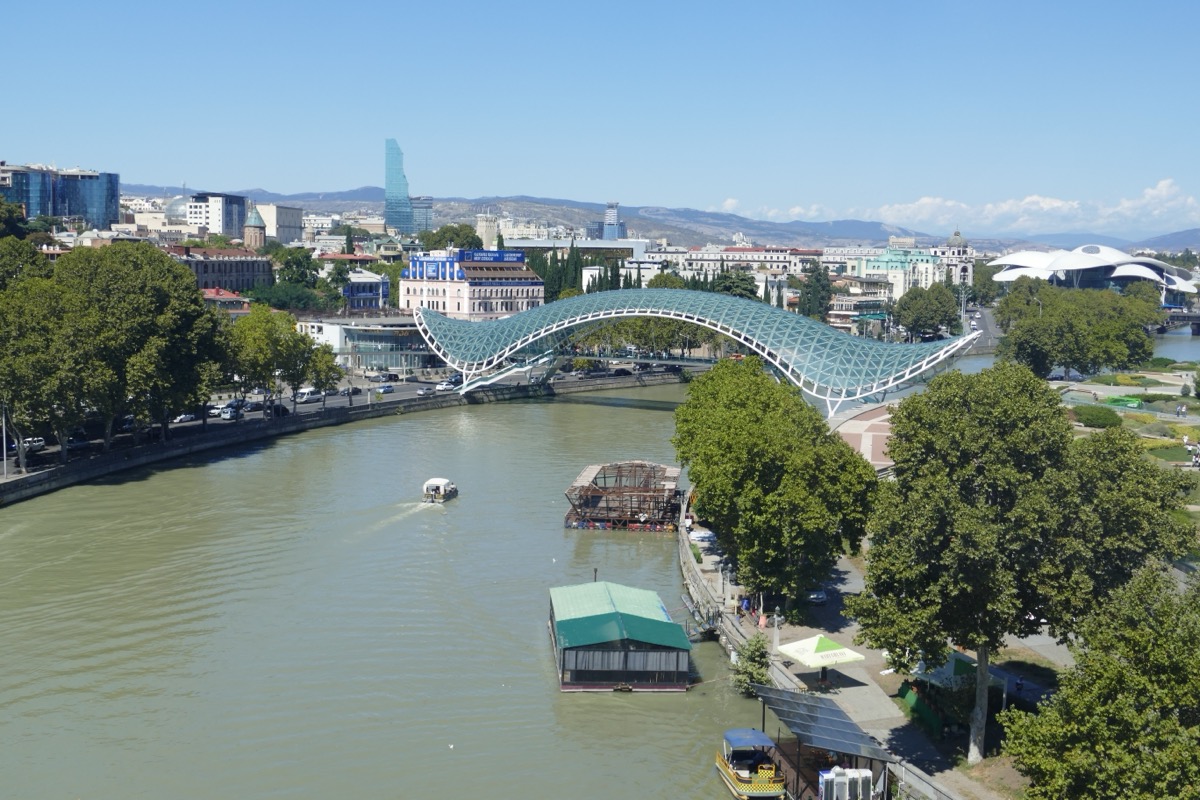
Georgia Digital Nomad Guide 2026: Visa Free Stays and 1 Percent Tax
Georgia lets many nationalities live visa free for a year and offers a 1 percent small business tax. Here is how remote workers use it in 2026 and what changed.

How to Apply for the Estonia Digital Nomad Visa
Learn who qualifies for the Estonia digital nomad visa, the key income requirements, how to apply, and how long you can legally stay.
Join the Nomad Herald newsletter
Visas, remote income, and borderless living. Free, straight to your inbox.