Spain Digital Nomad Visa Guide: Live and Work in Europe for up to 5 Years
Affordable living, culture, and a visa built for freelancers & remote workers.
 By Nomad Herald . · August 25, 2025 · 3 min read · Visa & Residency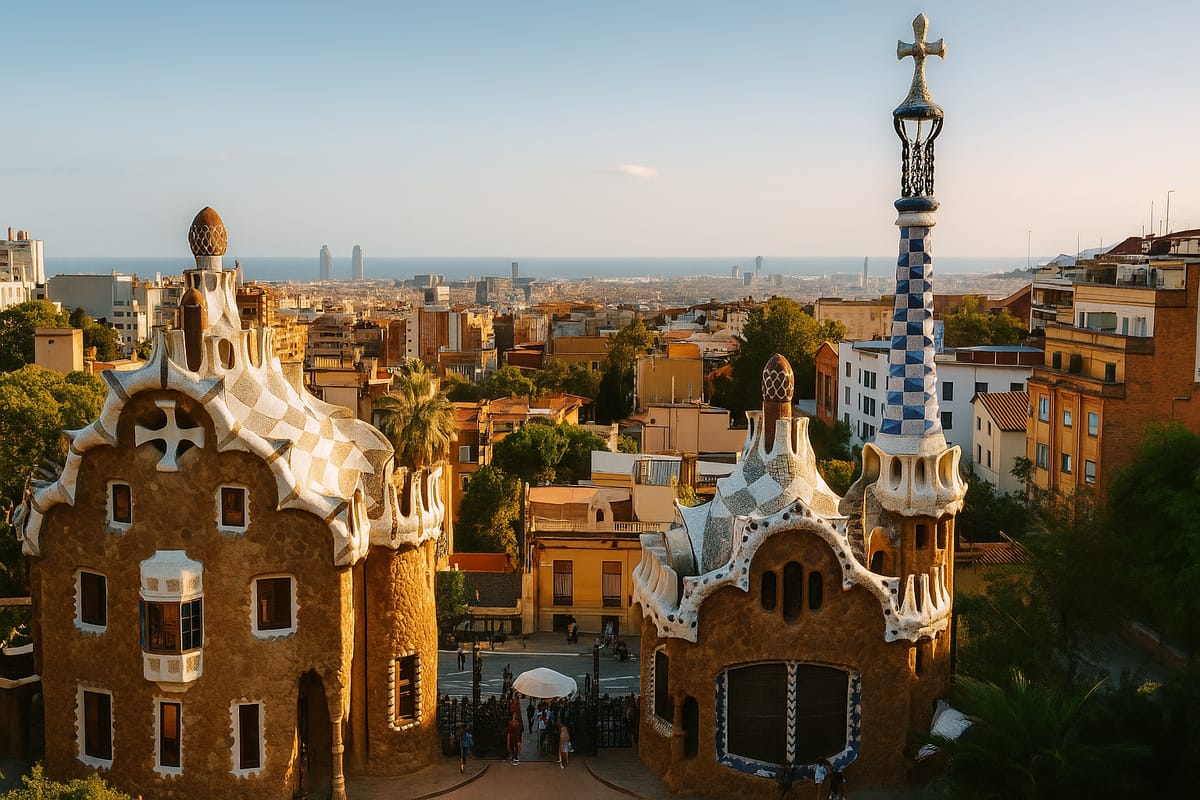
Spain built one of Europe's most attractive remote work visas, and it rewards those who plan ahead. Sunny cities, rich culture, great food, and a clear path to stay for up to five years make it a top choice for freelancers and remote employees. Here is how the Spain Digital Nomad Visa works and how to qualify.
Why Spain draws remote workers
Spain offers a rare mix of lifestyle and value. Cities like Valencia, Malaga, and Madrid deliver warm weather, fast internet, walkable centers, and thriving nomad communities, often at lower costs than northern Europe. You also get a legal, long term base inside the European Union, which is hard to match.
How the visa works
The Digital Nomad Visa sits under Spain's Startup Act and is designed for people who work remotely for companies or clients outside Spain. Core points to know:
- Income: you need to earn around 200 percent of Spain's minimum wage. In late 2025 that is roughly 2,760 euros a month, though the figure moves with the minimum wage, so always confirm the current number.
- Spanish clients: freelancers may earn up to 20 percent of income from Spanish companies.
- Duration: apply at a consulate for a one year visa, or apply inside Spain for a residence permit valid up to three years, then renew for two more, reaching five years total.
- Dependents: you can include a spouse and children with higher income thresholds.
The tax advantage
Spain offers a special regime, often called the Beckham Law, that can apply a flat 24 percent rate on Spanish source income up to 600,000 euros for the year of arrival plus the following five years. Eligibility has nuances, especially for freelancers, so speak with a Spanish tax adviser before you count on it.
What you need to apply
- Valid passport and completed application forms.
- Proof of remote work for at least three months and a company that has existed for at least a year.
- Income evidence such as contracts, payslips, and bank statements.
- Private health insurance valid in Spain with full coverage.
- A clean criminal record certificate, apostilled and translated.
- Proof of qualifications or relevant experience.
Consulate processing often takes four to eight weeks, while the in country route has a legal target of about twenty business days. If you want to compare European options first, read our Portugal D8 quick guide.
How much income do I need for the Spain visa?
You need roughly 200 percent of the Spanish minimum wage, which in late 2025 is about 2,760 euros a month for the main applicant. Because it tracks the minimum wage, the threshold rises over time, so check the latest figure before applying. Adding family members increases the required amount.
Can I switch the Spain visa into long term residency?
Yes. The in country residence permit can be renewed up to a total of five years, after which you may qualify for long term residence in Spain. This makes the Digital Nomad Visa a genuine stepping stone rather than just a temporary stay, which is a big reason it is so popular.
Planning a move to Spain? Subscribe to Nomad Herald for step by step visa guides.
You may also like
How to Apply for the Sri Lanka Digital Nomad Visa
Learn how to obtain the sri lanka digital nomad visa, understand the requirements, and discover long-stay options for remote workers.
Philippines Digital Nomad Visa: Long Stay Options and Costs
Explore the upcoming philippines digital nomad visa, long stay options, and island living costs in this comprehensive guide for remote workers.

How to Obtain Paraguay Residency: A Complete Guide
Discover how to secure Paraguay residency in 2026. Learn about the requirements, application timeline, and why nomads choose this low-cost route.

Peru Digital Nomad Visa: Long-Stay and Rentista Options
Explore the peru digital nomad visa and rentista options. Learn about eligibility, application steps, and cost of living in Peru.
Join the Nomad Herald newsletter
Visas, remote income, and borderless living. Free, straight to your inbox.