How to Apply for the Sri Lanka Digital Nomad Visa
Learn how to obtain the sri lanka digital nomad visa, understand the requirements, and discover long-stay options for remote workers.
 By Nomad Herald · October 6, 2026 · 4 min read · Visa & Residency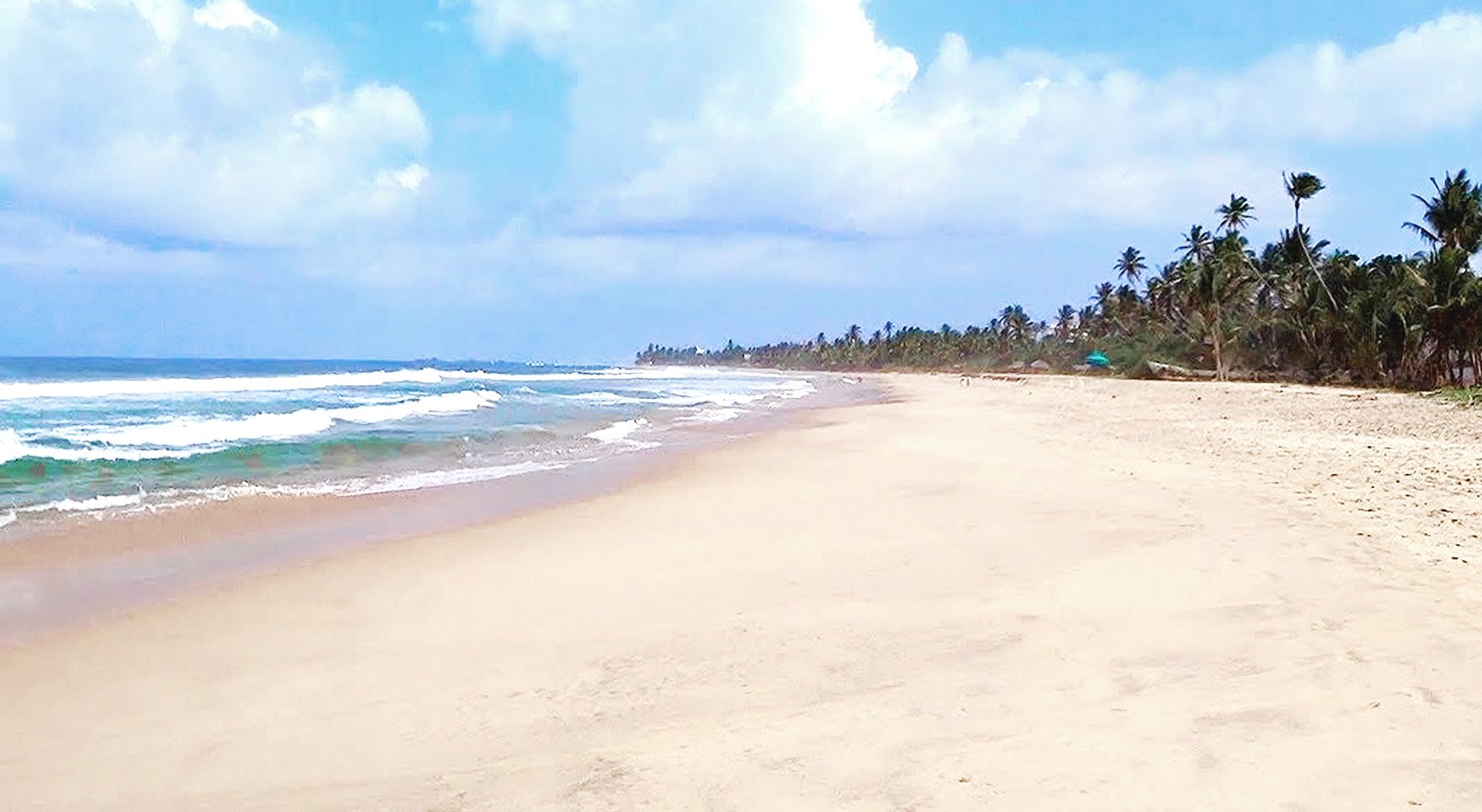
Securing a sri lanka digital nomad visa has become one of the most exciting prospects for remote workers seeking an affordable, culturally rich, and tropical base in Asia.
With its palm-fringed coastlines, surf hotspots like Weligama, and cool mountain retreats in Ella, Sri Lanka offers an incredible quality of life for online freelancers and remote employees. As the country refines its immigration pathways to attract global talent, understanding the application steps and alternative long-stay routes is essential for a smooth transition. Please note that immigration policies change frequently, and this guide serves as general information rather than formal legal or immigration advice.
What is the sri lanka digital nomad visa?
The sri lanka digital nomad visa is a dedicated residence pathway designed specifically for remote workers, freelancers, and online business owners who derive their income from sources outside of Sri Lanka.
This visa program aims to simplify the legal residency process, allowing location-independent professionals to live and work in the country legally for an extended period. Official guidance indicates that the visa is structured to bypass the limitations of standard tourist entries, offering a renewable one-year stay for those who meet the minimum monthly income thresholds. By formalizing this route, the government provides a secure legal framework so nomads can rent property, set up local bank accounts, and work without the constant worry of visa runs.
Who is eligible for this remote work visa?
The visa is tailored for individuals who can prove they do not compete with the local Sri Lankan labor market. To qualify, applicants generally need to satisfy several core criteria.
Key Eligibility Requirements
- Foreign Income Source: You must be employed by a company registered outside of Sri Lanka, or operate a business registered abroad, or service clients located outside the country.
- Income Thresholds: Reports suggest applicants must demonstrate a stable monthly income, often verified through bank statements spanning several months. Official sources should be consulted for the exact current threshold.
- Health Insurance: You must hold a valid international medical insurance policy that covers your entire stay in Sri Lanka.
- Clean Record: A clean criminal background check from your home country is standard for long-term residency applications.
How do you apply for the visa step by step?
Applying for the sri lanka digital nomad visa involves a structured process that begins online or at a local embassy, depending on your current location.
While the country continues to digitize its immigration services, the general application flow remains consistent. Here is how you can expect to navigate the process:
The Step-by-Step Application Flow
- Gather Documents: Collect your proof of income, bank statements, work contract or business registration, criminal record clearance, and passport-sized photos. Your passport must have at least six months of validity remaining.
- Submit the Application: Fill out the official application form online through the department of immigration portal or submit your dossier to the nearest Sri Lankan embassy.
- Pay the Fees: Pay the required visa processing fees. These fees vary depending on your nationality and are subject to change, so check the official portal before paying.
- Await Approval: Processing times can range from a few weeks to a couple of months. Once approved, you will receive an entry visa or a residency approval letter.
- Register Upon Arrival: If you applied from abroad, you may need to visit the Department of Immigration and Emigration office in Colombo to get the physical visa endorsement in your passport.
Is Sri Lanka expensive for digital nomads?
No, Sri Lanka is widely considered one of the most budget-friendly destinations for digital nomads in Asia, offering a very low cost of living compared to Western countries.
Your monthly budget will depend heavily on your lifestyle and where you choose to base yourself. Coastal surf towns like Mirissa and Hiriketiya, or popular hubs like Galle, tend to have slightly higher prices for boutique accommodation and Western-style cafes. However, local food, public transport, and basic utilities remain incredibly cheap. Many nomads find they can live comfortably, renting a modern villa and eating out regularly, for a fraction of what they would spend in Europe or North America. High-speed fiber internet is increasingly common in co-working spaces and coliving villas, though keeping a local mobile data SIM card as a backup is highly recommended.
What are the common mistakes to avoid?
One of the most common mistakes is failing to secure reliable backup power solutions, as power cuts can occasionally occur in certain regions of the country.
Another frequent pitfall is relying solely on standard tourist visas for long-term stays without transitioning to a formal remote work visa. While tourist visa extensions are possible, they do not offer the long-term stability or the legal right to open local bank accounts that the dedicated digital nomad route provides. Additionally, ensure all your financial documents are translated into English and officially certified to prevent processing delays. Always verify the latest fee structures and income requirements directly with the Department of Immigration and Emigration before finalizing your travel plans.
You may also like
Philippines Digital Nomad Visa: Long Stay Options and Costs
Explore the upcoming philippines digital nomad visa, long stay options, and island living costs in this comprehensive guide for remote workers.

How to Obtain Paraguay Residency: A Complete Guide
Discover how to secure Paraguay residency in 2026. Learn about the requirements, application timeline, and why nomads choose this low-cost route.

Peru Digital Nomad Visa: Long-Stay and Rentista Options
Explore the peru digital nomad visa and rentista options. Learn about eligibility, application steps, and cost of living in Peru.
Uruguay Residency for Remote Workers: A Complete Guide
Discover how to secure Uruguay residency as a remote worker in 2026. Learn about the fast track route, tax benefits, and living in Montevideo.
Join the Nomad Herald newsletter
Visas, remote income, and borderless living. Free, straight to your inbox.