Brazil's Digital Nomad Visa Live Work and Explore South America
Learn how to use brazil s digital nomad visa live work and explore south america legally with details on application steps, requirements, and taxes.
 By Nomad Herald . · August 27, 2025 · Updated October 16, 2026 · 5 min read · Visa & Residency
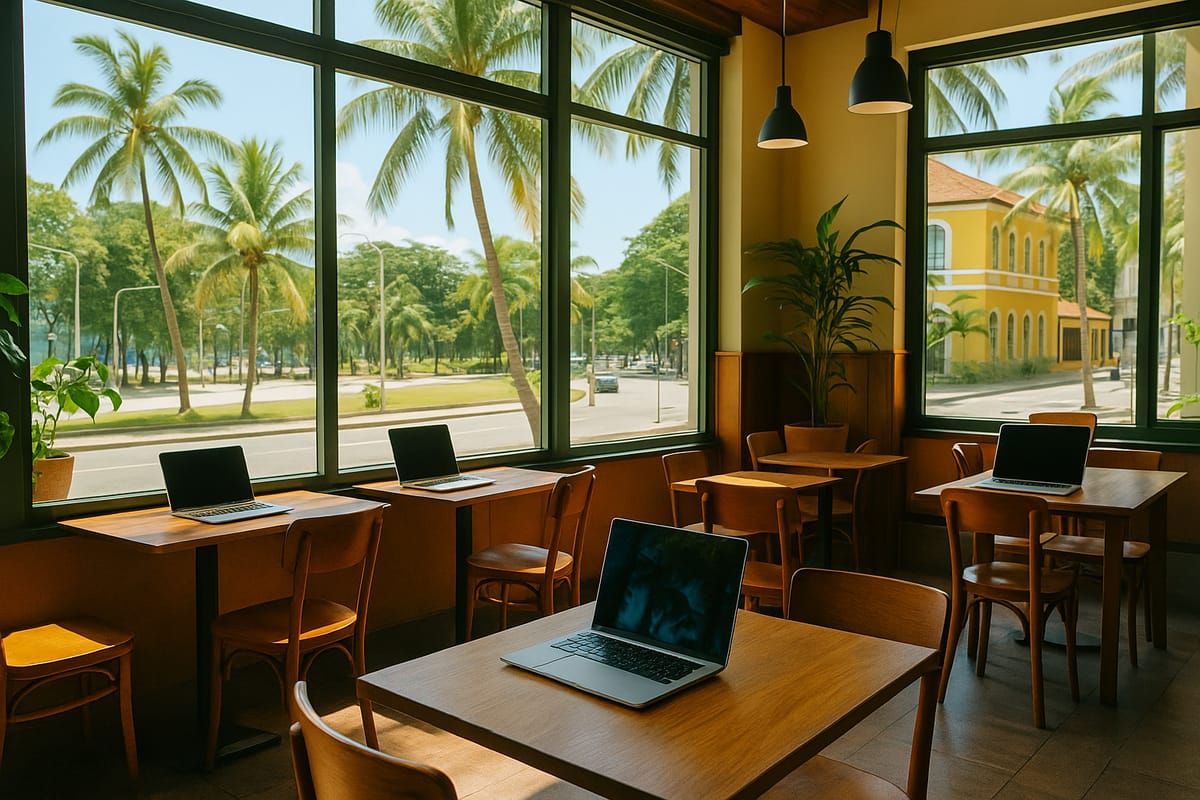
Using brazil s digital nomad visa live work and explore south america provides location-independent workers with a structured legal pathway to experience one of the most vibrant countries in Latin America. Brazil offers a temporary residence visa specifically designed for foreign remote workers, freelancers, and business owners who generate their income from sources outside the national territory. This guide explains how the process works, who qualifies, and how to navigate the application successfully.
Please note that this guide provides general information only and does not constitute formal legal or immigration advice. Visa rules and administrative policies can change, so candidates should always verify current requirements on the official Brazilian consular website or through the Ministry of Justice and Public Security before submitting an application.
What is the Brazil digital nomad visa?
The Brazil digital nomad visa is a residence permit that allows foreign remote workers to live in the country while working legally for employers or clients based abroad. Officially established by Resolution 45, this route provides a one-year temporary visa that can typically be renewed for an additional year, provided all conditions continue to be met. It bridges the gap between short-term tourist stays and permanent immigration, allowing remote professionals to set up a home base without entering the local job market.
Who this visa suits
- Full-time remote employees working for foreign companies who want to spend an extended period in South America.
- Freelancers and independent contractors with a steady portfolio of international clients outside Brazil.
- Online business owners who can run their operations entirely online without requiring local commercial registration.
Who this visa does not suit
- Job seekers looking to obtain employment with a company registered inside Brazil.
- In-person service providers whose income depends on local clients or local physical presence.
- Location-bound workers who cannot prove continuous online operations or contract stability.
Who qualifies for the remote worker residency route?
Eligibility for the remote worker permit requires applicants to demonstrate remote work status and stable financial support from outside Brazil. Candidates must prove that their work can be performed entirely through information and communication technologies, meaning that physical presence at an overseas workplace is unnecessary.
Core eligibility criteria
- Employment status: Proof of employment with a non-Brazilian company or active service contracts with international clients.
- Financial self-sufficiency: Evidence of meeting regular income standards or holding sufficient bank savings to cover living expenses throughout the stay. Official guidance indicates applicants can choose between showing recurring monthly income or presenting a lump-sum bank balance.
- Clean criminal record: Background checks clearing the applicant from criminal records in their country of origin or current residence for the past several years.
- Health coverage: A comprehensive health insurance policy valid within Brazilian territory for the total duration of the intended visa period.
What documents do you need to submit?
Preparing a complete application dossier is essential to avoid processing delays or visa rejections. Documents issued in foreign countries generally need to be legalized via an Hague Apostille or legalized by a Brazilian consulate, and translated by a certified translator in Brazil if required by the consular authority.
Document checklist
- Valid passport: Must have at least two blank pages and remain valid for the intended period of stay.
- Completed visa application form: Submitted through the official consular portal, along with a recent passport photo.
- Proof of remote status: An employment contract, declaration from an employer, or client service agreements confirming that duties are performed remotely using digital channels.
- Proof of financial means: Bank statements for the previous three to six months, payroll slips, or account balance certificates confirming required funds.
- Background check certificate: An official police clearance document issued recently by relevant home authorities.
- Health insurance policy: Proof of private medical coverage valid across Brazil for the full stay.
- Declaration of digital nomad status: A signed personal statement attesting to the remote nature of the work.
How do you complete the application process step by step?
To successfully obtain approval, applicants can choose to apply at a Brazilian consular post in their home country or request a residency transformation directly within Brazil if they are already present legally as tourists.
Step 1: Gather and apostille documents
Collect all required civil, financial, and professional documents. Ensure official records, such as police clearances and bank certificates, receive an Hague Apostille from the issuing country before translation.
Step 2: Submit the online consular form
Access the official Brazilian government immigration portal, complete the application questionnaire, and upload digital copies of your passport and supporting paperwork. Save the receipt page containing the tracking code.
Step 3: Attend the consular appointment
Schedule an appointment at the appropriate Brazilian consulate. Bring all original documents, the printed application receipt, and confirmation of paid consular processing fees. Some consulates allow submission by mail, depending on local policy.
Step 4: Receive your visa and travel
Once approved, the temporary visa is stamped into your passport. You must enter Brazil within the initial validity window specified by the consulate.
Step 5: Register with the Federal Police in Brazil
After arrival in Brazil, foreign residents must register with the Federal Police within 90 days. This step finalizes your residency and grants your National Migration Registration Card, commonly known as the CRNM, which acts as your primary identity document inside the country.
How does tax residence work for digital nomads in Brazil?
Tax obligations depend on the total length of time a foreign national spends inside the country during any given twelve-month period. Under general Brazilian tax principles, staying in Brazil for more than 183 days within a consecutive twelve-month window typically triggers tax residency. Once classified as a tax resident, individuals are generally subject to Brazilian income tax rules on worldwide earnings, not just income sourced within the country.
Digital nomads planning extended stays should consult a qualified tax professional specializing in international cross-border tax law before reaching the 183-day threshold. Understanding tax treaties between your home country and Brazil can help prevent double taxation and ensure full compliance with federal revenue services.
What common mistakes should applicants avoid?
To ensure a smooth transition under the brazil s digital nomad visa live work and explore south america option, avoid several frequent errors made during preparation and residency.
Key traps to watch for
- Incomplete legalization: Submitting documents without the necessary apostille or official translation, which results in immediate consular rejection.
- Failing to register on time: Missing the 90-day post-arrival deadline to register with the Federal Police, leading to administrative fines and residency complications.
- Ignoring local banking needs: Assuming international credit cards are sufficient for long-term living. Opening a local digital bank account using your new taxpayer registry number makes rental payments and daily utility management significantly easier.
- Underestimating processing times: Submitting documents too close to travel dates. Applying several weeks or months in advance guarantees a less stressful journey.
You may also like

Curacao Remote Work Visa: Application Guide and Requirements
Learn how to apply for the curacao remote work visa, including eligibility criteria, document requirements, and application steps for remote workers.
Belize QRP Visa Guide: Requirements and Benefits
Explore the belize qrp visa pathway. Learn about income criteria, residency perks, and tax rules for foreign retirees and remote workers.

EU Blue Card 2026: Complete European Union Skilled Worker Guide
Learn how the EU Blue Card allows highly qualified non-EU professionals to live, work, and move freely across participating European Union countries.

New Zealand Working Holiday Visa Guide for Remote Workers
Learn how the new zealand working holiday visa allows location-independent professionals to travel, work, and build a remote lifestyle across the country.
Join the Nomad Herald newsletter
Visas, remote income, and borderless living. Free, straight to your inbox.